





Enhancing Accessibility of Electric Vehicle Charging Stations
As the adoption of electric vehicles (EVs) accelerates worldwide, ensuring that charging stations are accessible to all users becomes increasingly important. Improving accessibility not only benefits drivers with disabilities but also encourages wider adoption of EVs by making charging more convenient for everyone. In this article, we explore practical strategies to enhance the accessibility of charging stations, making them more user-friendly and inclusive.
1. Strategic Placement of Charging Stations
One of the key factors in improving accessibility is the strategic placement of charging stations. They should be located in easily reachable areas such as parking lots near building entrances, public transit hubs, and main roads. Ensuring that charging stations are situated on level ground and away from obstructions like trees or parked vehicles is essential for easy access.
2. Incorporate Universal Design Principles
Universal design involves creating environments that are usable by all people, regardless of age or ability. For charging stations, this means:
- Accessible Height: Position charging ports at heights suitable for wheelchair users.
- Clear Signage: Use high-contrast, easy-to-read signs with tactile or Braille options.
- Wide Access Aisles: Provide ample space around charging units for wheelchair maneuverability.
3. Improve Infrastructure and Technology
Modern charging stations should be equipped with user-friendly features, such as:
- Contactless Payment: Allowing payments via smartphones or RFID cards to minimize physical contact and ease use.
- Intuitive Interfaces: Touchscreens with simple navigation and voice command options.
- Fast Charging Options: Reducing wait times and making charging more convenient.
4. Provide Adequate Lighting and Signage
Good lighting enhances safety and visibility during night-time or low-light conditions. Clear signage indicating the location of charging stations and instructions for use should be visible from a distance, aiding drivers in quickly locating and utilizing the stations.
5. Ensure Maintenance and Support
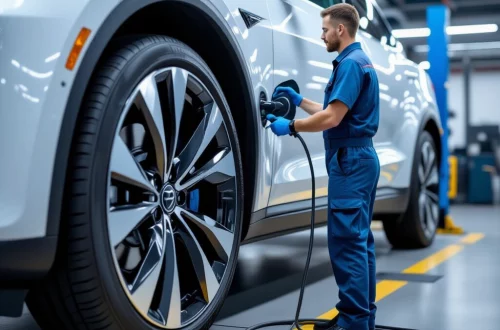
Regular maintenance of charging stations prevents technical issues that can hinder accessibility. Additionally, providing accessible customer support, such as help lines or on-site assistance, ensures users can get help promptly if needed.
Conclusion
Improving the accessibility of charging stations is vital for the growth of electric vehicle adoption and for creating an inclusive transportation infrastructure. By focusing on strategic placement, universal design principles, technological enhancements, proper signage, and maintenance, municipalities and businesses can make EV charging more accessible and convenient for everyone. Embracing these strategies paves the way for a more sustainable and inclusive future in automotive mobility.