





Introduction
Fluid leaks are a common issue that can affect any vehicle, leading to serious mechanical problems if not addressed promptly. Detecting and fixing leaks early can save you money and prevent breakdowns. This guide provides practical tips on how to identify fluid leaks and take appropriate action to keep your car running smoothly.
How to Detect Fluid Leaks
Detecting a leak requires careful inspection and observation. Here are some effective methods:
- Check for visible puddles: Look under your car for puddles or spots that indicate leaking fluid. Different fluids have distinct colors and smells.
- Monitor fluid levels: Regularly check your car’s fluid reservoirs, including oil, coolant, transmission fluid, brake fluid, and power steering fluid. Sudden drops suggest a leak.
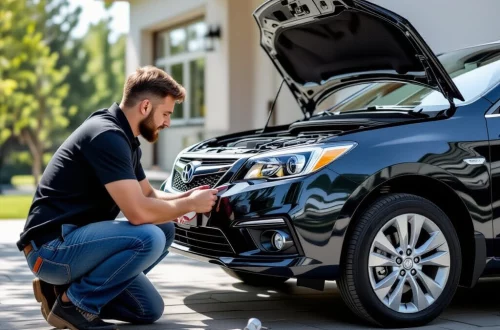
- Inspect under the hood: Look for wet or stained components, especially around hoses, seals, and connections.
- Smell test: Certain leaks, like coolant, have a distinctive sweet smell, while oil has a more pungent odor.
- Ride quality and warning lights: Unusual vibrations, slipping, or dashboard warning lights can be signs of fluid issues.
Common Types of Car Fluid Leaks
- Engine Oil: Usually appears as dark, greasy spots. Common causes include worn seals or oil pan gasket leaks.
- Coolant: Bright green, orange, or pink fluid that leaks near the radiator or hoses. Often caused by cracked hoses or radiator damage.
- Transmission Fluid: Red or pink fluid, typically leaking from transmission seals or lines.
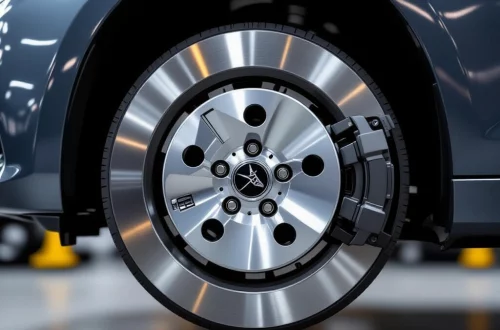
- Brake Fluid: Clear to slightly yellowish fluid leaking near wheels or brake components.
- Power Steering Fluid: Usually reddish or clear fluid leaking from steering system components.
How to Fix Fluid Leaks
Fixing leaks depends on their severity and location. Here are general steps for addressing common issues:
- Identify the source: Use visual inspection to locate the exact point of leak.
- Replace damaged seals or hoses: Many leaks are caused by worn or cracked seals, hoses, or gaskets. Replacing these parts can often solve the problem.
- Re-tighten fittings: Loose fittings, bolts, or clamps can cause leaks. Ensure all connections are secure.
- Patch small cracks: For minor cracks in radiators or coolant tanks, use appropriate repair kits or sealants.
- Refill and test: After repairs, refill the fluid and monitor the area for any signs of continued leakage.
When to Seek Professional Help
While minor leaks can often be fixed at home, persistent or severe leaks require professional diagnosis and repair. If you notice large puddles, persistent fluid loss, or dashboard warning lights, consult a qualified mechanic to prevent further damage and ensure your vehicle’s safety.
Conclusion
Detecting and fixing fluid leaks promptly is essential for maintaining your car’s performance and safety. Regular inspections, attentive observation, and timely repairs can help you avoid costly repairs and keep your vehicle running smoothly for years to come.