






Introduction
Whether you’re going on a long trip, deployment, or simply won’t need your vehicle for several months, proper car storage is essential to maintain its condition and ensure it starts smoothly upon return. Incorrect storage can lead to battery drain, tire damage, and other issues. Here’s a comprehensive guide on how to store your car properly during extended absences.
Preparation Before Storage
Before storing your vehicle, follow these essential steps:
- Clean Your Car: Wash and wax your vehicle to remove dirt and contaminants that can cause paint damage over time.
- Check Fluid Levels: Ensure oil, coolant, brake fluid, and windshield washer fluid are topped up.
- Inspect for Leaks and Damage: Repair any existing issues to prevent worsening during storage.
- Fill the Gas Tank: Fill the tank to reduce moisture buildup and add a fuel stabilizer to prevent fuel degradation.
- Change the Oil and Filter: Fresh oil minimizes internal corrosion during inactivity.
Choosing the Right Storage Location
Store your car in a place that offers optimal protection:
- Garage or Carport: Best for protection against weather, sunlight, and theft.
- Indoor Storage: Ideal if available, provides the highest level of protection.
- Outdoor Storage: If necessary, use a high-quality, breathable car cover to shield it from elements.
Proper Storage Techniques
Follow these steps to ensure your car stays in good condition:
- Disconnect the Battery: To prevent drain, disconnect the negative terminal or use a trickle charger.
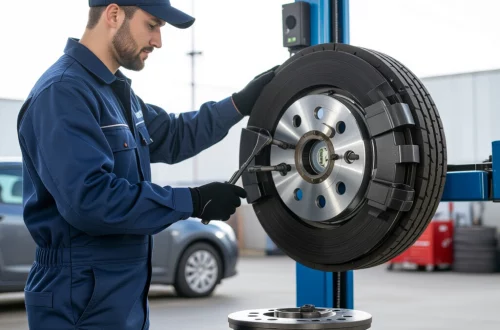
- Maintain Tire Pressure: Inflate tires to the recommended pressure to prevent flat spots. Consider placing the car on jack stands if storing for several months to relieve tire pressure.
- Use a Car Cover: Cover your vehicle with a breathable, high-quality cover to protect it from dust and debris.
- Seal Windows and Doors: Ensure all windows and doors are tightly closed to prevent pests and moisture intrusion.
- Ventilation: If stored indoors, ensure good airflow to prevent mold and musty odors.
Additional Tips for Long-Term Storage
Consider these extra measures for extended storage:
- Visit Periodically: Start the engine every few weeks to circulate fluids and check for issues.
- Check Tire Condition: Inspect for flat spots or damage.
- Keep the Storage Area Dry: Use dehumidifiers or moisture absorbers if necessary.
- Plan for Re-Use: Upon return, conduct a thorough inspection, check fluid levels, and take the car for a short drive to ensure optimal performance.
Conclusion
Properly storing your car during extended absences is crucial to preserving its value and functionality. By preparing your vehicle correctly, choosing the right storage environment, and following best practices, you can ensure your car remains in excellent condition until you’re ready to hit the road again.