




Introduction
Anti-lock Braking System (ABS) is a vital component that enhances vehicle safety by preventing wheel lock-up during sudden braking. Proper maintenance of your car’s ABS not only ensures optimal braking performance but also extends the lifespan of the system. This guide offers practical tips to help you keep your ABS in top condition.
Understanding Your Car’s ABS System
The ABS system works by monitoring wheel speed sensors and modulating brake pressure to prevent skidding. Regular checks and maintenance are crucial because a malfunctioning ABS can compromise safety, especially in emergency braking situations.
Signs That Indicate Your ABS Needs Maintenance
- Warning Light: The ABS warning light on your dashboard is the first indicator of a problem.
- Reduced Braking Performance: Unusual braking behavior or longer stopping distances.
- Noise or Vibration: Abnormal sounds or vibrations when braking.
- Frequent ABS Activation: ABS engages more often than usual during normal driving.
Steps to Maintain Your ABS System
- Regular Inspections: Have your ABS sensors and wiring checked during routine maintenance visits. Look for damaged wires or sensors that may be dirty or misaligned.
- Keep Sensors Clean: Dirt, salt, and debris can interfere with sensor operation. Clean sensors gently with a soft cloth and appropriate cleaning solutions.
- Check Brake Fluid: Low or contaminated brake fluid can affect ABS performance. Replace it according to your vehicle manufacturer’s recommendations.
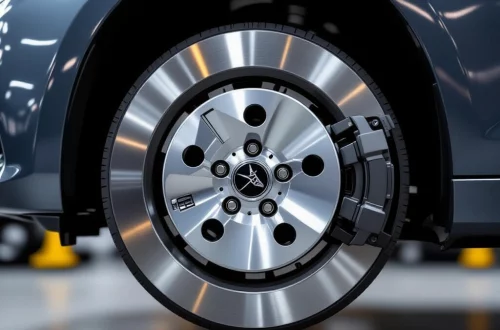
- Use Quality Brake Components: Ensure brake pads, rotors, and other components are in good condition. Worn-out parts can impact ABS functionality.
- Avoid Sudden Braking: Smooth and gradual braking reduces stress on the ABS system and prolongs its lifespan.
- Address Issues Promptly: If the ABS warning light appears or you notice abnormal braking behavior, have a professional diagnose and repair the system immediately.
Additional Tips for Safe Driving
Maintaining your ABS system is just one aspect of safe driving. Always drive attentively, maintain proper tire pressure, and follow traffic laws to ensure maximum safety on the road.
Conclusion
Proper maintenance of your car’s ABS system is essential for safe and reliable braking performance. Regular inspections, keeping sensors clean, and addressing issues promptly can prevent costly repairs and ensure your safety in all driving conditions.