




Introduction
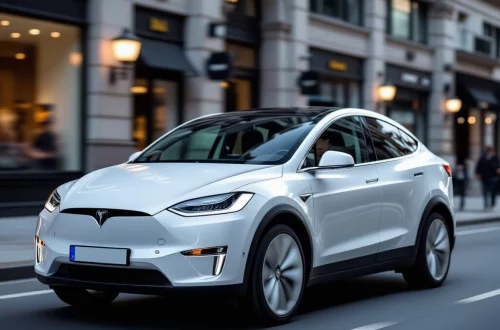
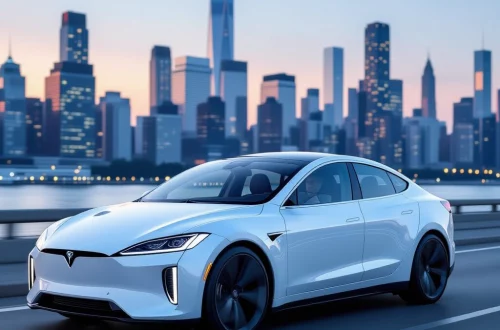
Electric vehicles (EVs) have gained significant popularity in recent years, promising a greener and more sustainable future for the automotive industry. However, switching from traditional internal combustion engine cars to EVs involves weighing various advantages and drawbacks. In this article, we explore the key pros and cons of making the switch to an electric vehicle in 2024.
Advantages of Switching to an Electric Vehicle
- Environmental Benefits: EVs produce zero tailpipe emissions, significantly reducing your carbon footprint and helping to combat climate change.
- Lower Operating Costs: Electric cars typically have lower fuel costs and require less maintenance since they have fewer moving parts compared to gasoline-powered vehicles.
- Government Incentives: Many governments offer tax credits, rebates, and other incentives to encourage EV adoption, making them more affordable.
- Quiet and Smooth Ride: Electric motors provide a quiet and smooth driving experience, enhancing comfort and reducing noise pollution.
- Access to High-Occupancy Vehicle (HOV) Lanes: In some regions, EVs are allowed in HOV lanes, which can reduce commute times.
Disadvantages of Switching to an Electric Vehicle
- Limited Range: Many EVs still have a shorter driving range compared to traditional cars, which may cause concern during long trips.
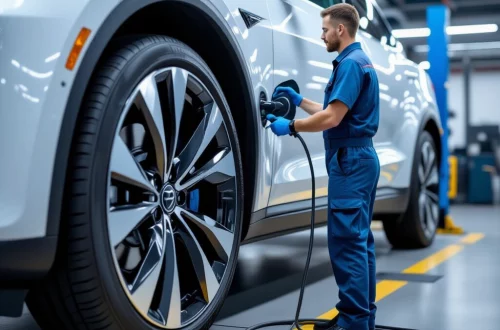
- Charging Infrastructure: Although expanding, charging stations are not as widespread as gas stations, potentially leading to range anxiety.
- Charging Time: Charging an EV takes longer than refueling a gasoline vehicle, which can be inconvenient for quick trips.
- Higher Initial Cost: Despite decreasing prices, EVs often have a higher upfront cost than comparable gasoline-powered cars.
- Battery Lifespan and Replacement: Battery degradation over time can affect performance, and replacement costs can be substantial.
Conclusion
Switching to an electric vehicle offers numerous environmental and economic benefits, making it an attractive choice for many drivers. However, considerations such as range limitations, charging infrastructure, and initial costs remain challenges to address. As technology advances and infrastructure improves, EVs are likely to become an even more practical and popular alternative to traditional cars. Ultimately, the decision to switch depends on individual driving habits, budget, and environmental priorities.