




Introduction
Driving on wet roads can be challenging and dangerous if your vehicle isn’t prepared for the slippery conditions. Improved handling not only enhances your safety but also boosts your confidence behind the wheel. In this article, we’ll explore practical tips and essential maintenance practices to help you navigate wet roads more securely.
1. Check Your Tire Condition and Pressure
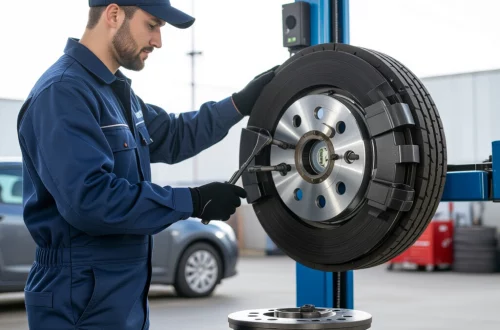
Proper tires are crucial for wet road traction. Worn-out tires with shallow tread depth can cause hydroplaning and loss of control. Ensure your tires have at least 4/32 inch of tread and are free from cracks or punctures. Maintaining correct tire pressure, as recommended by your vehicle manufacturer, optimizes contact with the road and improves handling.
2. Upgrade to All-Season or Wet-Weather Tires
If you frequently drive in rainy conditions, consider switching to tires designed for wet traction. All-season or dedicated wet-weather tires feature special tread patterns and rubber compounds that effectively channel water away, reducing the risk of hydroplaning and enhancing grip.
3. Drive Smoothly and Maintain Safe Speeds
One of the simplest yet most effective ways to improve handling on wet roads is to adopt smooth driving habits. Avoid sudden steering inputs, hard braking, or aggressive acceleration. Keep your speed moderate, especially in heavy rain, to maintain better control and allow your vehicle’s tires to grip the road surface properly.
4. Increase Following Distance
Wet conditions increase stopping distances and reduce overall traction. Extend your following distance to at least 4 seconds or more, giving yourself ample time to react to unexpected obstacles or changes in traffic flow.
5. Use Proper Braking Techniques
Instead of abrupt braking, apply steady, gentle pressure to avoid locking the wheels. If your vehicle is equipped with ABS, press the brake firmly and let the system modulate brake force to prevent skidding.
6. Ensure Your Suspension and Alignment Are in Good Condition
Good suspension and properly aligned wheels help your car maintain stability and responsive handling on wet surfaces. Regularly check and service these components to ensure optimal performance.
7. Keep Your Windshield and Wipers in Top Condition
Clear visibility is vital for safe driving in rain. Replace worn wiper blades and keep your windshield clean. Consider applying rain repellents to improve water runoff and reduce glare from headlights.
8. Avoid Puddles and Standing Water
Driving through large puddles can cause hydroplaning or hide potholes and debris. Steer clear of standing water whenever possible, and slow down if unavoidable to minimize risks.
Conclusion
Improving your car’s handling on wet roads involves a combination of vehicle maintenance, smart driving habits, and awareness of road conditions. By ensuring your tires are in good shape, driving smoothly, and being cautious, you can significantly enhance your safety and confidence during rainy weather.