




Top 10 Car Troubleshooting Tips for Beginners to Save Time and Money
Owning a car comes with its share of surprises, especially for beginners. Knowing how to troubleshoot common issues can help you save time, money, and avoid unnecessary trips to the mechanic. Here are the top 10 essential car troubleshooting tips every new driver should know.
1. Check the Engine Oil
Low or dirty engine oil can cause engine overheating and damage. Regularly check the oil level using the dipstick, and top it up if necessary. Change the oil as per your vehicle’s manual to keep the engine running smoothly.
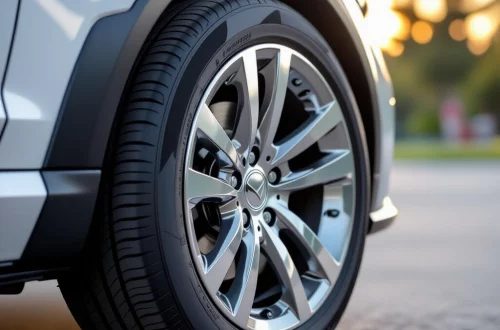
2. Inspect the Tire Pressure
Underinflated or overinflated tires can affect handling and fuel efficiency. Use a tire pressure gauge to ensure all tires are at the recommended pressure, usually found on the driver’s door frame or in the owner’s manual.
3. Monitor Warning Lights
Modern cars are equipped with warning lights that alert you to issues like engine problems, low battery, or brake system faults. Never ignore these signals—consult your manual or a professional mechanic to diagnose the problem.
4. Check the Battery
If your car won’t start, the battery might be dead or loose. Inspect the battery terminals for corrosion and ensure they are tightly connected. Consider replacing the battery if it’s old or shows signs of wear.
5. Listen for Unusual Noises
Strange sounds like squealing, grinding, or knocking can indicate various issues. Pay attention to when the noise occurs and consult your manual or a mechanic to identify the cause.
6. Examine Brake Functionality
If you notice decreased braking performance or a spongy brake pedal, it’s essential to have your brakes inspected immediately. Regular brake maintenance ensures safety on the road.
7. Check Fluid Levels
Besides engine oil, your car relies on other fluids such as coolant, transmission fluid, and brake fluid. Regularly check and top up these fluids to prevent overheating and component wear.
8. Test the Headlights and Indicators
Ensure all exterior lights are functioning properly for your safety and compliance with traffic laws. Replace burnt-out bulbs promptly.
9. Keep an Eye on the Exhaust
Excessive smoke or unusual odors from the exhaust can signal engine problems. Seek professional help if you notice persistent issues.
10. Maintain Regular Service Checks
Prevention is better than cure. Follow your vehicle’s maintenance schedule for inspections, oil changes, and part replacements to keep your car in optimal condition.
By mastering these basic troubleshooting tips, beginner drivers can handle minor car issues confidently and extend the lifespan of their vehicle. Remember, when in doubt, consult a professional mechanic to ensure your safety and your vehicle’s health.